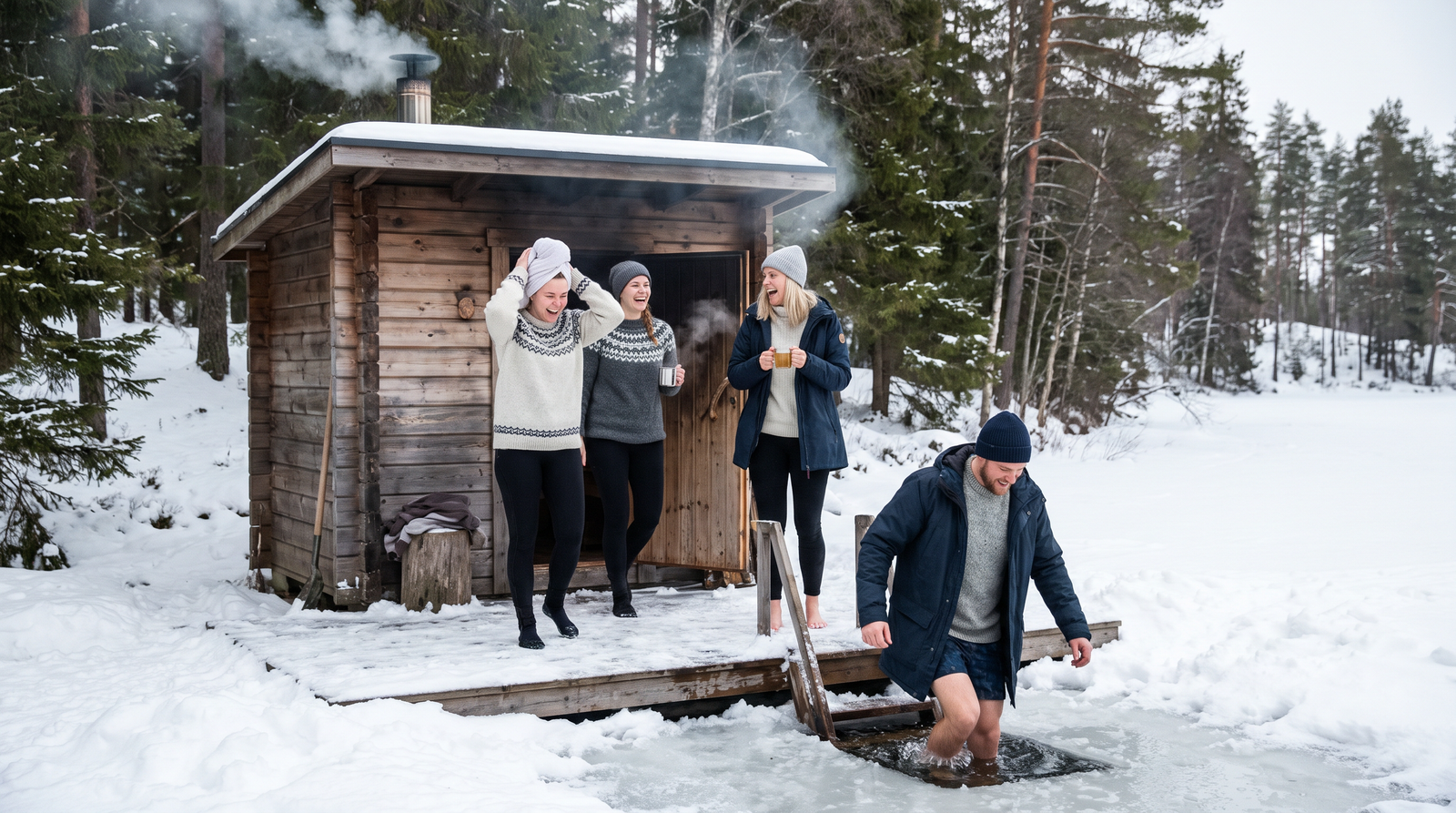
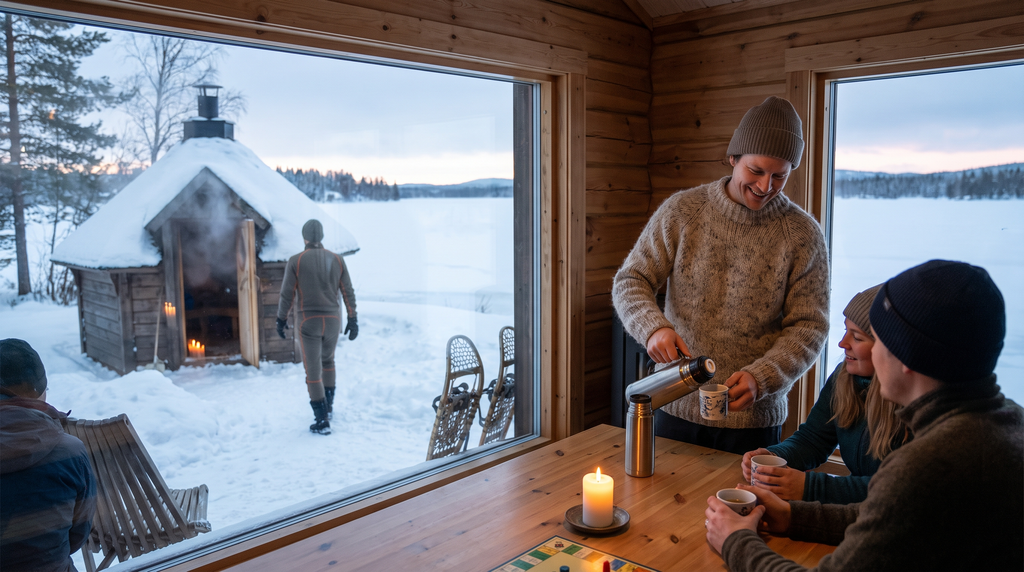
When winter arrives, the days can seem to shrink overnight. Mornings are darker, evenings come early, and even simple things—getting out of bed, answering messages, or leaving the house—can take more effort than usual. Before you know it, you’re spending more time indoors, putting off plans, and wondering why your usual motivation has disappeared.
All products are personally selected by us. If you buy something, we may earn an affiliate commission.
It’s tempting to think the answer is a cozy blanket, a scented candle, and a little hygge. And while creating a comfortable home can certainly feel good, Nordic winter life offers other ideas worth borrowing, too: getting outside despite the weather, seeking daylight, keeping gentle routines, and making time for other people.
These habits aren’t about becoming the most productive person in the room or forcing yourself to feel cheerful when you’re not. They’re about making everyday life a little easier during a challenging season.
It’s also important to distinguish ordinary winter sluggishness from a more serious mental-health concern. Feeling less energetic during darker months can happen, but persistent low mood, loss of interest, and difficulty functioning may be signs of depression or seasonal affective disorder (SAD). Lifestyle habits can support well-being, but they aren’t a substitute for professional care.
TABLE OF CONTENTS
Table of Contents
With that in mind, here are nine Nordic-inspired habits to help you find a little lighter, connection, and comfort this winter.
Read more: Nordic Rainy-Day Outfits: A Year-Round Guide to Practical, Effortless Style
1. Go Outside Before You Feel Like It
When it’s cold, gray, or drizzling, heading outdoors might be the last thing you want to do. It’s easy to promise yourself you’ll go for a walk later, only to find that the day has disappeared.
One helpful mindset to borrow from Nordic outdoor culture is that fresh air doesn’t have to be reserved for perfect weather. You don’t need a scenic hiking trail, a long workout, or an elaborate plan. Sometimes, a short walk around the block is enough to break up the day.
Try stepping outside for 10–20 minutes after breakfast or during your lunch break. If that feels like too much, start with five minutes and build from there. The trick is to make getting ready simple. Dress in layers so you can adjust to changing temperatures:
- Base layer: A comfortable layer that helps manage moisture.
- Middle layer: Something insulating to help retain warmth.
- Outer layer: A weather-resistant jacket suited to the conditions.
Warm socks, gloves, and appropriate footwear can make a big difference, too. Don’t turn the habit into another reason to criticize yourself. If the weather is dangerous or you’re unwell, stay inside. The aim is to make outdoor time a realistic part of winter, not another test you have to pass.
2. Protect Your Morning Light
Dark winter mornings can make it harder to feel alert and settle into a consistent routine. Light helps regulate the body’s internal clock, which influences sleep and wakefulness.
You don’t need a complicated morning routine to make the most of available daylight. Start by opening the curtains when you get up. If possible, spend some time outdoors earlier in the day, even when the sky is cloudy. You could take your coffee near a bright window, walk to a nearby café, or move your morning errands outdoors when the weather allows.
For some people experiencing seasonal depression, a light therapy box may be worth discussing with a healthcare professional. Devices used for SAD commonly provide 10,000 lux under specified conditions, but treatment depends on the device and how it’s used. Light therapy isn’t suitable for everyone, particularly some people with bipolar disorder, certain eye conditions, or medications that increase light sensitivity.
The takeaway: Give daylight a place in your routine, but seek medical advice before starting light therapy if you have relevant health concerns.
3. Create One Daily Fika Pause
In Sweden, fika is a familiar tradition centered on taking a deliberate break, often with coffee or tea and something small to eat. It’s not simply about grabbing a drink between tasks. The pause itself—and often the chance to connect with someone—is part of the point. You can borrow that idea without buying special mugs, baking cinnamon buns, or following a perfect Scandinavian routine.
At home, make a cup of tea and sit down for ten minutes without trying to accomplish anything else. At work, step away from your desk for a proper break. If you’re feeling isolated, invite a friend to join you or schedule a quick phone call.
Your fika break might include:
- Tea or coffee and a quiet moment.
- A snack enjoyed away from your laptop.
- A short conversation with a coworker.
- A virtual catch-up with someone you miss.
- A few minutes of reading before returning to your day.
The goal isn’t to turn relaxation into another habit you must optimize. It’s to create a small pause in a season when days can feel repetitive and demanding.
4. Keep a Few Winter Anchors
When the weather changes and daylight becomes limited, daily routines can easily drift. You might wake up later, skip meals, spend hours indoors, or stay up scrolling because the evening feels endless.
Rather than creating an ambitious schedule, choose a few simple habits that give your day a predictable shape. These are your winter anchors: small activities you can return to even when your motivation is low.
For example:
- Morning: Wake up around a consistent time, open the curtains, and eat breakfast.
- Midday: Get outside briefly or stretch between tasks.
- Afternoon: Take a fika break or check in with someone.
- Evening: Dim the lights, prepare for tomorrow, and wind down at a reasonable time.
Your routine doesn’t need to follow this exact timetable. Shift it around your work hours, caregiving responsibilities, health, and energy levels.
Think of these anchors as gentle guideposts rather than strict rules. If you miss one, you haven’t ruined the day. You can simply return to the next one.
5. Make Plans Before Isolation Takes Over
Winter can make staying home feel especially appealing. Sometimes, that’s exactly what you need. But when every plan gets postponed and every conversation becomes a quick text, days can start to feel disconnected. Instead of waiting until you’re lonely to reach out, build a little connection into your routine ahead of time.
This doesn’t mean filling your calendar with parties or forcing yourself to socialize when you’re exhausted. Small, predictable plans can be much easier to manage.
Consider a weekly soup night with a friend, a regular walking date, a Sunday phone call with family, or a shared work session with someone who also needs a change of scenery. If leaving home is difficult, try an online book club, a virtual coffee break, or a recurring video call.
The beauty of a regular plan is that you don’t have to make the decision from scratch every week. It’s already there, waiting for you and remember, connection doesn’t need to be elaborate. A ten-minute conversation with someone who makes you feel understood can be more valuable than a busy evening spent feeling out of place.
6. Find Winter Pleasures Without Forcing Positivity
There’s a difference between appreciating winter and pretending it’s wonderful every single day. You don’t have to love freezing temperatures, gray skies, or the inconvenience of getting dressed in several layers. You can acknowledge that winter is difficult while still looking for small things that make it more livable.
Maybe it’s the quiet of an early morning, the smell of bread baking, a library visit, a favorite book, or the feeling of coming home after a cold walk.
Try asking yourself this question:
“What would make this winter feel a little more livable?”
Your answer might be surprisingly ordinary. Perhaps you need a weekly plan to see friends, a better bedtime routine, a hobby that gives you something to look forward to, or permission to have slower weekends.
You could keep a short list of winter pleasures on your phone and choose one when the day feels dull. Ideas include trying a new soup recipe, watching a comforting film, visiting a museum, or spending an afternoon doing a craft.
This isn’t about convincing yourself to feel happy. It’s about noticing that even a difficult season can contain moments worth looking forward to.
Read more: 4 Daily Routine Habits to Survive Nordic Longer Winter
7. Move for Warmth and Energy, Not Punishment
When motivation dips, exercise can be one of the first things to disappear from your routine. But movement doesn’t have to mean an intense workout or a demanding fitness plan.
A more approachable goal is to find ways to move that feel comfortable, accessible, and enjoyable.
You might take a short walk, stretch while watching television, dance to a few favorite songs, try indoor swimming, or spend time skating or playing in the snow if conditions allow.
Choose activities that fit your body, health, abilities, and environment. On low-energy days, a gentle stretch or a few minutes of movement may feel more realistic than a full workout.
It can also help to connect movement with something you already do. Stretch after making coffee, walk while catching up with a friend on the phone, or take a short outdoor break after lunch.
Leave weight-loss goals and performance pressure out of it if they don’t serve you. The purpose is to support your well-being, enjoy your body in motion, and create a little more variety in your day.
8. Make Evenings Softer
When it’s dark by late afternoon, evenings can feel unusually long. You might move from work straight to scrolling, then wonder where the hours went.
Creating a gentle transition between daytime responsibilities and evening rest can help make that part of winter feel more intentional.
Start with what you already have. Switch on a table lamp instead of relying entirely on bright overhead lighting. Make a warm drink, put on comfortable clothes, or spend a few minutes tidying the area where you’ll relax.
You could also choose one small screen-free ritual, such as reading a few pages, doing a puzzle, listening to music, or writing down tomorrow’s priorities.
Don’t worry about making your home look like a perfectly styled Scandinavian interior. You don’t need matching candles, expensive blankets, or a carefully curated color palette.
The point is to give yourself a signal that the active part of the day is winding down. If candles are part of your routine, use them safely and never leave them burning unattended. A lamp or battery-operated candle can create a similar sense of warmth without an open flame.
9. Ask for Help When Winter Feels Heavier
Sometimes, winter feels like more than a lack of sunshine or a few low-energy days. If your mood remains low, activities you once enjoyed stop feeling meaningful, or everyday responsibilities become difficult to manage, it’s worth taking those changes seriously.
Signs that you may need additional support include:
- Feeling sad, empty, or hopeless most days.
- Losing interest in activities you normally enjoy.
- Significant changes in sleep or appetite.
- Persistent fatigue or difficulty concentrating.
- Withdrawing from friends and family.
- Struggling to manage work, relationships, or everyday responsibilities.
- Thoughts of self-harm or suicide.
Seasonal affective disorder is a form of depression with a seasonal pattern. It can affect mood, energy, sleep, appetite, and daily functioning. A healthcare professional can help assess what’s happening and discuss appropriate treatment options, which may include psychotherapy, medication, or supervised light therapy.
You don’t need to wait until things become unbearable before asking for help. Start with your primary care doctor or a licensed mental-health professional if you can.
If you’re in the United States and experiencing a mental-health crisis or thinking about suicide, you can call or text 988 to reach the Suicide & Crisis Lifeline. If you’re in immediate danger, contact emergency services. Readers outside the United States should use their local crisis or emergency resources.
Nordic-inspired habits can support everyday well-being, but they’re not a cure for depression. You deserve appropriate support, whatever the season.
Frequently Asked Questions
What are Nordic habits for dealing with the winter blues?
Useful habits inspired by Nordic winter life include spending time outdoors, making the most of daylight, taking deliberate breaks, maintaining gentle routines, staying connected with others, and finding seasonal activities to enjoy. These practices can support well-being, although they don’t replace treatment for depression.
Do I have to practice hygge to feel better in winter?
Not at all. Hygge is one Danish cultural concept associated with coziness and togetherness, but it’s not the only way to approach winter. You might benefit more from outdoor walks, regular social plans, morning light, or a consistent daily routine.
How can I feel better during dark winter mornings?
Try opening your curtains soon after waking, getting outside when daylight is available, and maintaining a reasonably consistent wake time. If you experience persistent seasonal symptoms, speak with a healthcare professional about possible treatments, including whether light therapy is appropriate for you.
What is fika, and how can I practice it at home?
Fika is a Swedish tradition of taking a deliberate coffee or tea break, often with something to eat and an opportunity to connect with others. At home, you can practice it by stepping away from work, enjoying a drink without multitasking, or sharing a short break with a friend.
How do I know if my winter blues could be seasonal depression?
If low mood, loss of interest, sleep or appetite changes, or difficulty functioning persist, consider speaking with a healthcare professional. Seasonal affective disorder is treatable, and you don’t need to rely on lifestyle changes alone.
You Don’t Have to Love Winter to Make It Easier
You don’t need to become an outdoor enthusiast, create a picture-perfect home, or follow a flawless morning routine to make winter feel more manageable.
Start small. Get a little daylight when you can. Make time for one proper break. Put a regular call with a friend on the calendar. Find a kind of movement that feels good, and give your evenings permission to slow down.
Some days, you’ll manage all of these things. Other days, getting through the basics will be enough.
The point of these Nordic-inspired habits isn’t to turn winter into a self-improvement project. It’s to create a few steady sources of comfort, connection, and structure when the season feels challenging.
You do not need to love winter. You only need a few rituals that make it feel less like something you have to survive.