Who says tea belongs in a mug? With a little creativity, your favorite brew can become a refreshing, restaurant-style drink that’s perfect for brunch, dinner parties, or a quiet evening at home.
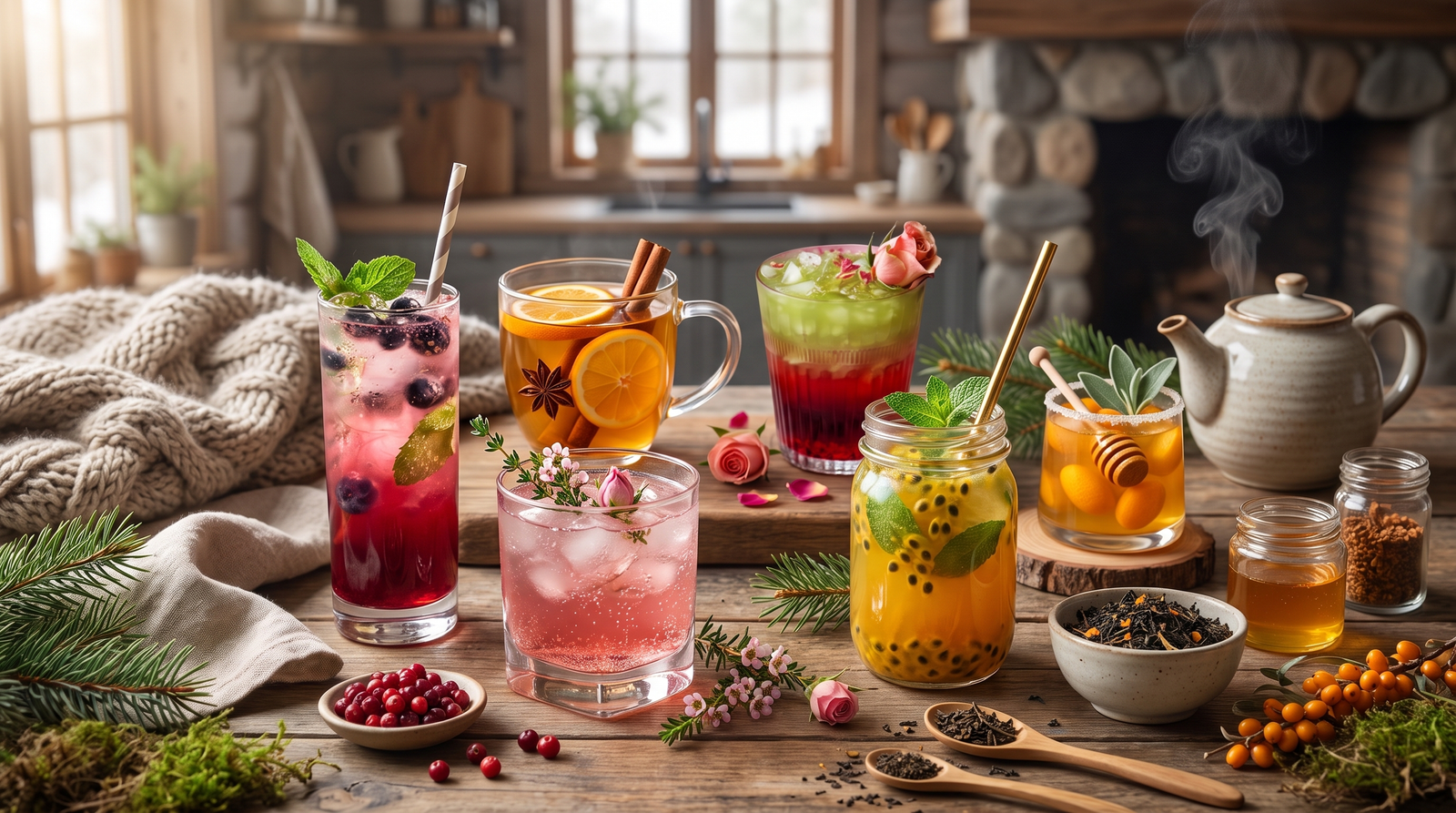
Tea mocktails bring together brewed tea, sparkling mixers, fruit, and herbs to create drinks with plenty of flavor and no need for alcohol. For this guide, a tea tonic means a simple combination of chilled tea and tonic water, although sparkling water works beautifully when you want a less bitter finish. The Nordic twist comes from ingredients such as lingonberry, apple, pear, citrus, and forest-inspired herbs.
These combinations are modern interpretations inspired by northern flavors, not traditional Nordic recipes. The best part? You don’t need a cocktail shaker or a cupboard full of specialist ingredients. With a few tea bags, fresh fruit, ice, and a good mixer, you can make something that feels special without making the process complicated.
Table of Contents
What Is a Tea Tonic?
A tea tonic is the drink format used here: brewed tea mixed with tonic water, ice, and optional ingredients such as fruit, herbs, or citrus. Tonic water contains carbonation and usually quinine, which gives it a characteristic bitterness. Sparkling water, by contrast, is carbonated water without tonic’s distinctive bitter flavor, unless additional ingredients have been added. That difference matters because tonic can make a drink taste sharper and more complex, while sparkling water lets the tea and fruit take center stage. For a Nordic-inspired version, try tart berries, crisp apple, cucumber, or fresh herbs. You don’t have to find rare ingredients to make it work; ordinary supermarket fruit can deliver a similar fresh, seasonal feel.
How to Choose Tea for a Mocktail
The tea you choose shapes the whole drink.
Black tea brings a stronger flavor that can stand up to tonic, citrus, and apple.
Green tea offers a lighter, sometimes grassy character that pairs well with cucumber and lemon.
Rooibos has naturally caffeine-free, rounded, earthy notes that work nicely with orange and warming spices.
Herbal and berry infusions can create colorful, fruit-forward drinks, although their flavor and acidity depend on the ingredients. Brew your tea a little stronger than you would for a regular cup if you’re adding plenty of ice, but avoid steeping it longer than recommended if that makes it bitter. Let it cool before mixing so the ice doesn’t immediately dilute the drink.
The Basic Tea Tonic Formula
Start with this simple recipe, then adjust it to suit your taste.
Ingredients for one drink: 120 ml chilled brewed tea, 120 ml tonic water, a generous handful of ice, one lemon or orange slice, and an optional small sprig of mint or rosemary.
Method: Brew the tea according to its packaging, then cool it completely. Fill a tall glass with ice, pour in the chilled tea, and slowly add the tonic water. Stir gently, garnish with citrus or herbs, and serve immediately. For a less bitter version, replace the tonic water with sparkling water. If you prefer a sweeter drink, add 5 ml of simple syrup and taste before adding more. These quantities are a starting formula rather than a universal rule; stronger teas, sweeter mixers, and more acidic fruit may require small adjustments.
Read more: The Ultimate Guide to Nordic Botanical Tea: Berries, Herbs, and Forest Flavors
7 Tea Mocktail Ideas With a Nordic Twist
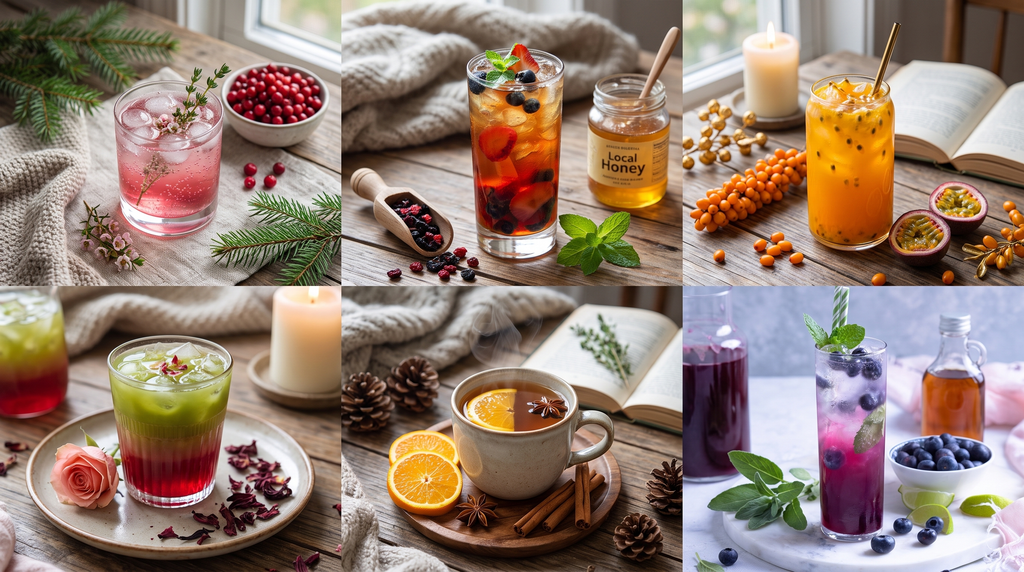
1. Black Tea, Lingonberry, and Tonic
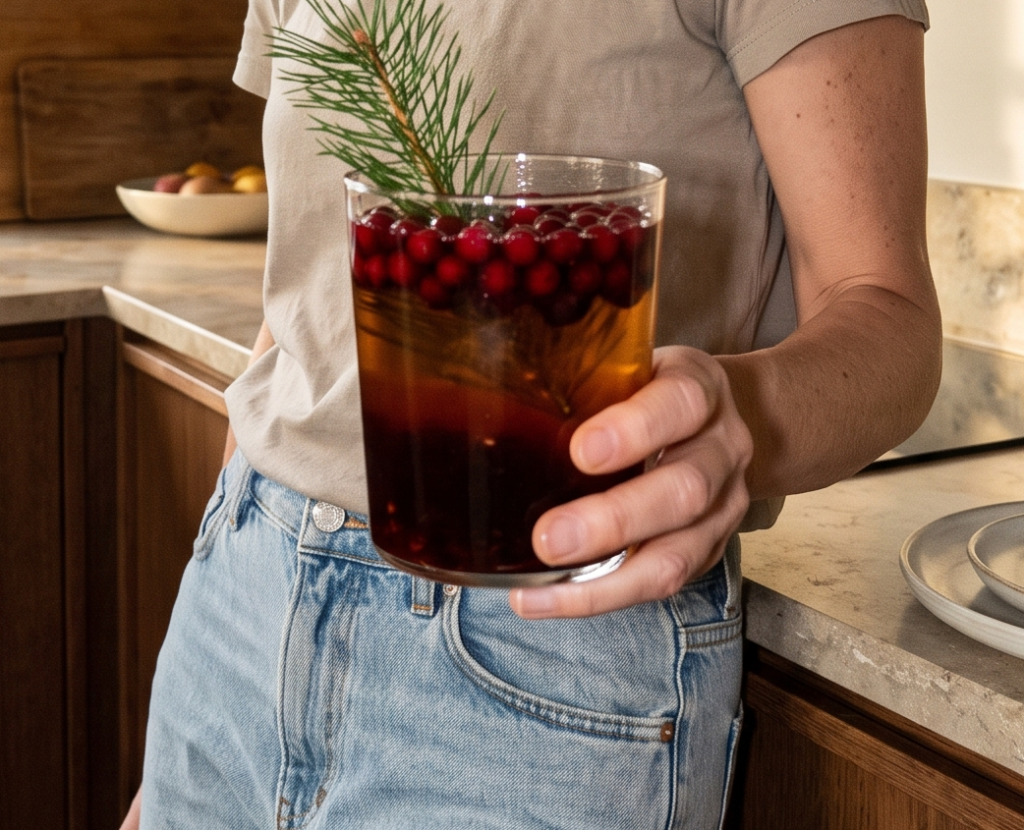
Combine 120 ml chilled black tea, 90 ml tonic water, 30 ml lingonberry juice or a suitable lingonberry drink, and ice. Garnish with a lemon twist. The black tea provides structure, while the berry adds a tart, fruity note. If lingonberry is difficult to find, try cranberry juice, adjusting the amount to suit its sweetness and acidity.
2. Rooibos, Orange, and Sparkling Water
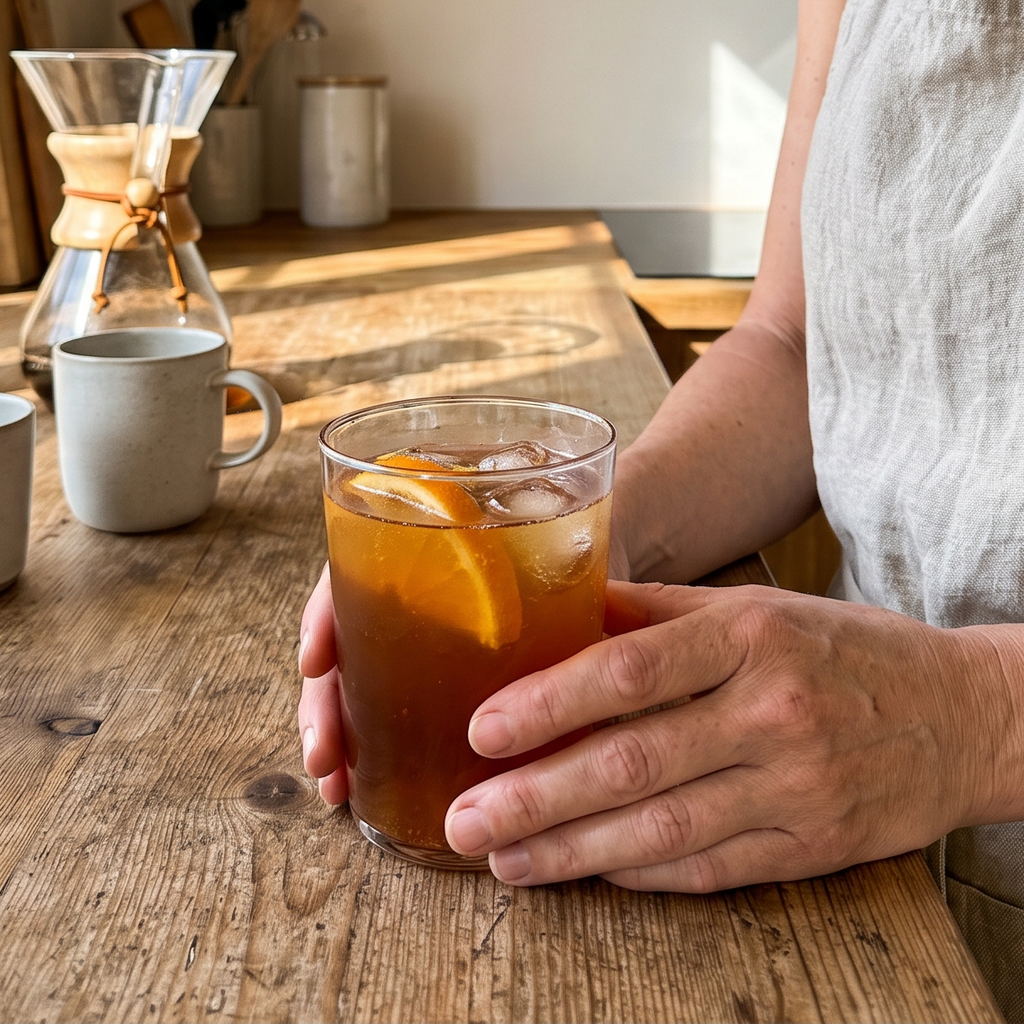
Mix 120 ml chilled rooibos with 100 ml sparkling water and 30 ml orange juice. Serve over ice with a strip of orange peel. This is a softer, caffeine-free option with a rounded flavor. If the orange juice is particularly sweet, add a small squeeze of lemon to balance it.
3. Green Tea, Cucumber, and Tonic
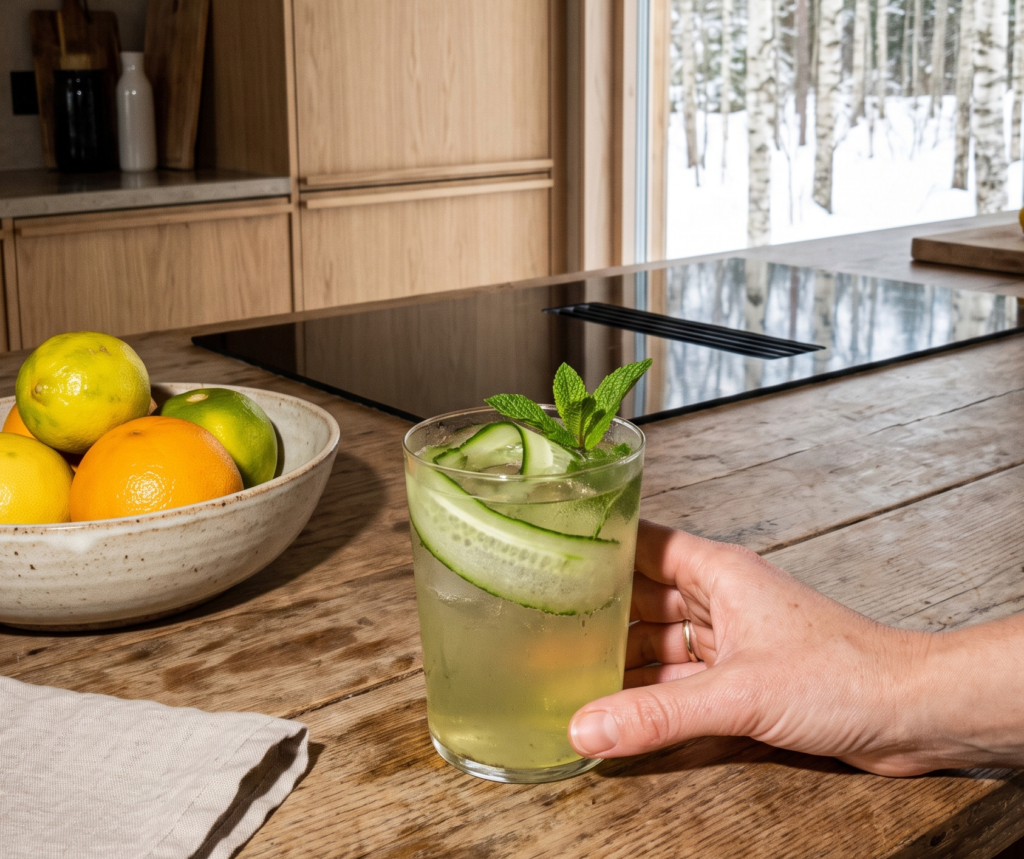
Add 120 ml chilled green tea and 100 ml tonic water to a glass filled with ice. Add two thin cucumber slices and a squeeze of lime. Stir gently. The cucumber brings a fresh, clean note, while the tonic adds bitterness. For a milder drink, use sparkling water instead.
4. Berry Herbal Infusion and Lemon
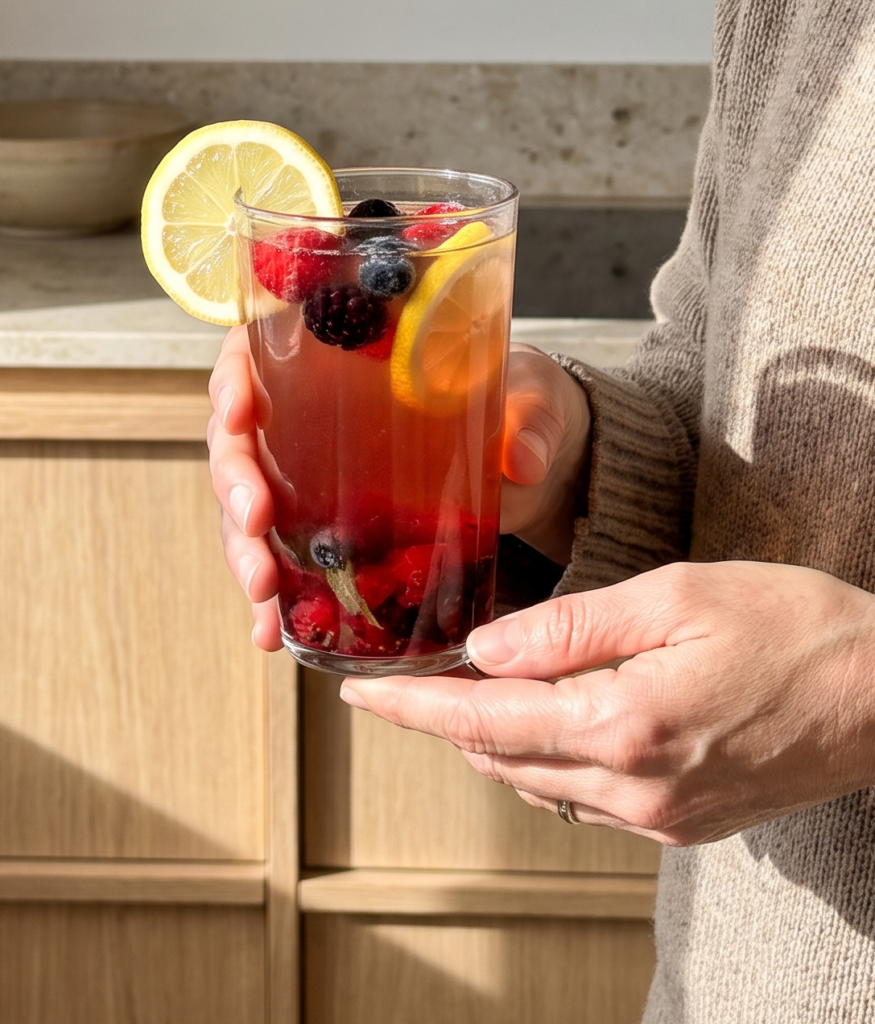
Combine 120 ml chilled berry herbal infusion, 100 ml sparkling water, and 10 ml lemon juice. Add ice and garnish with fresh or frozen berries. Taste before adding sweetener because some fruit infusions are already tart, while others contain sweet apple pieces or added flavoring.
5. Smoky Black Tea and Apple
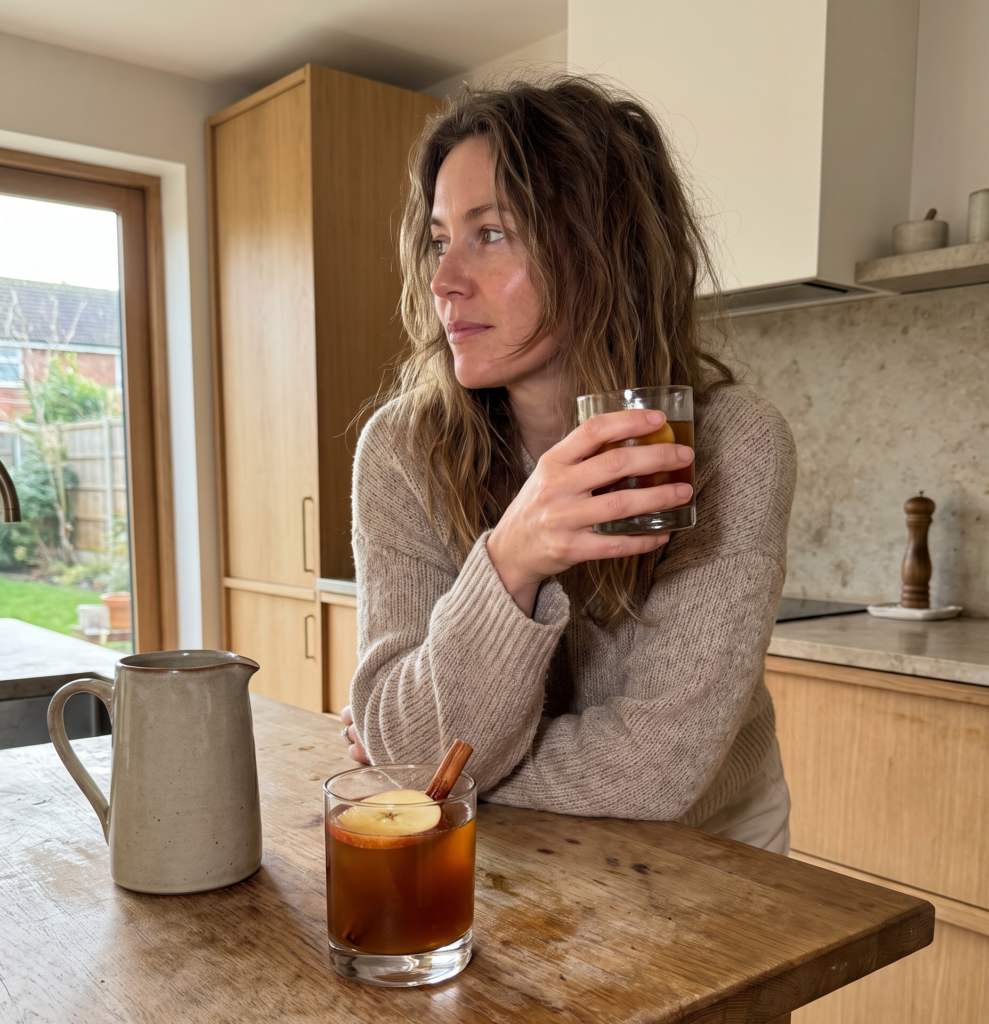
Mix 100 ml chilled smoky black tea with 60 ml cloudy apple juice and 60 ml sparkling water. Serve over ice with a thin apple slice. The smoky tea and crisp apple create a deeper flavor that works particularly well as an evening dinner-party drink. Start with a small amount of smoky tea if you’re unfamiliar with its intensity.
6. Floral Tea and Pear
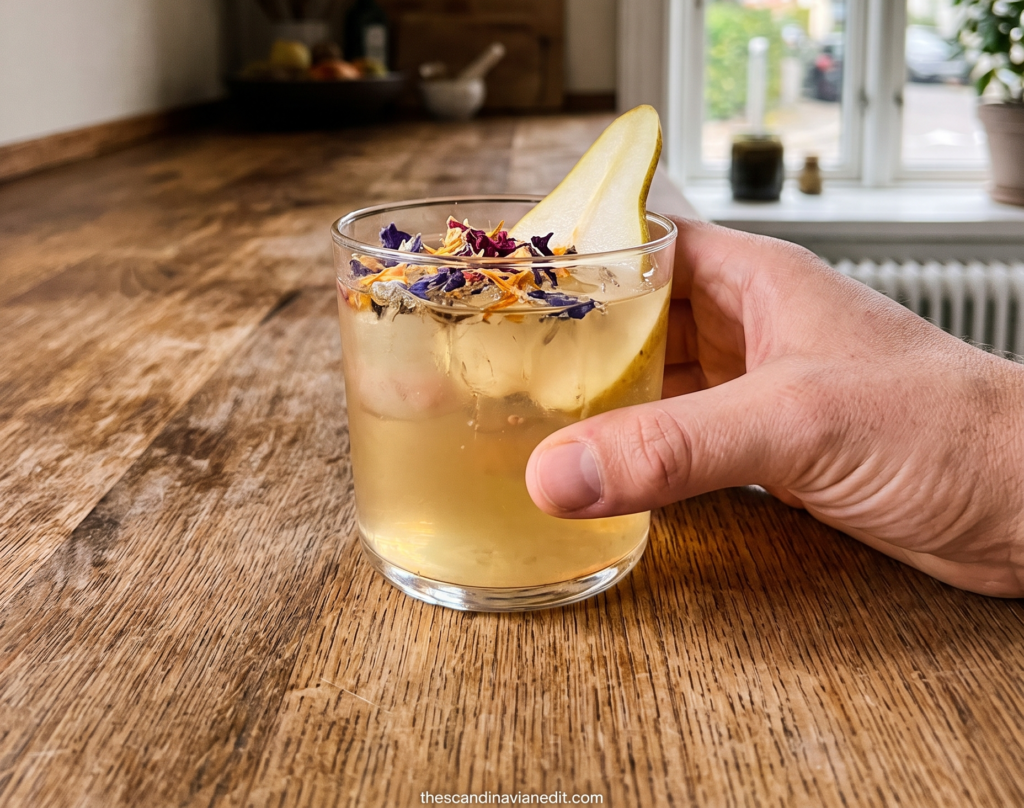
Combine 120 ml chilled floral herbal tea with 60 ml pear juice and 60 ml sparkling water. Add ice and a thin pear slice. Choose a mild floral blend so it doesn’t overwhelm the fruit. If pear juice is unavailable, try a little apple juice instead.
7. Black Tea and Sea Buckthorn
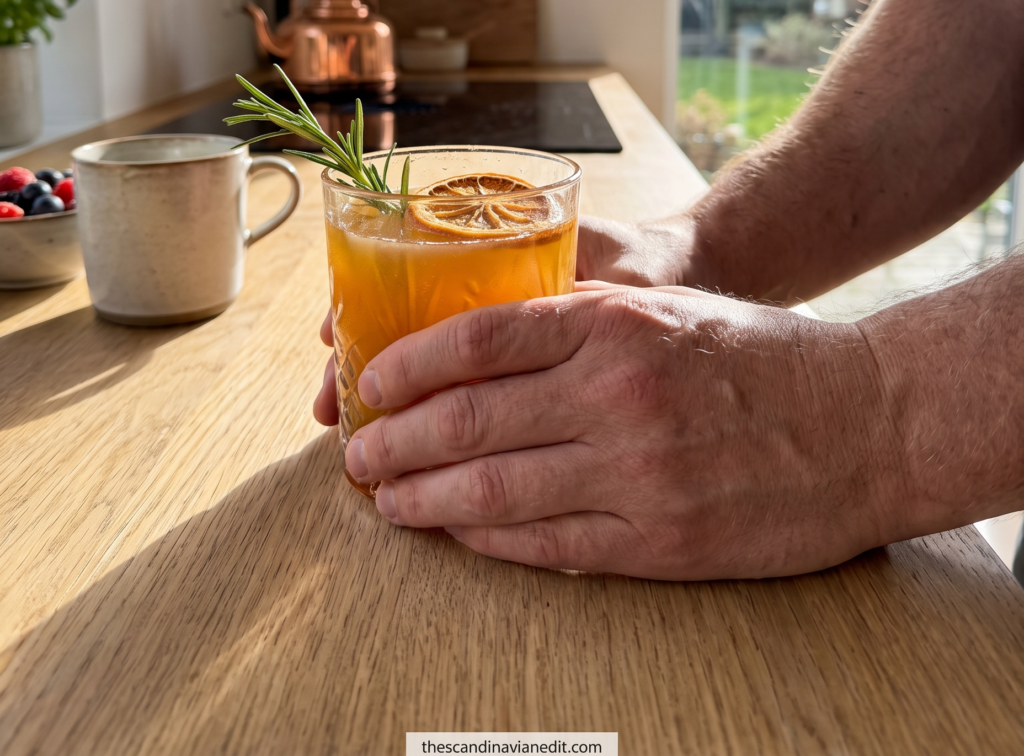
Mix 120 ml chilled black tea with 15–30 ml sea buckthorn juice or a prepared sea buckthorn drink, then top with 90 ml sparkling water or tonic. Garnish with orange peel. Sea buckthorn can be quite tart, so begin with the smaller quantity and adjust after tasting. If you can’t find it locally, orange and cranberry make an accessible alternative.
Read more: The Lux-Loading Routine: Scandinavian Lighting for the 3 PM Energy Crash Fix
How to Balance Sweetness, Acidity, and Bitterness
A good tea mocktail should taste balanced rather than simply sweet or sour. If the drink is too bitter, replace some tonic with sparkling water or reduce the amount of strongly brewed tea. If it tastes flat, add a little lemon or lime juice. If it’s too sharp, add a small amount of simple syrup or a sweeter juice, such as apple or pear. Remember that tonic water already has its own flavor and may contain sugar or sweeteners, depending on the brand. Read the label if that matters to you. When testing a new combination, change one ingredient at a time so you can tell what improves the drink. This is especially helpful with tart berries and sea buckthorn, where a small adjustment can make a noticeable difference.
How to Serve Tea Mocktails With Dinner
Tea mocktails can look elegant without elaborate equipment. Use a clear glass, plenty of ice, one thoughtful garnish, and a clean color palette. A black tea and apple drink could pair nicely with roasted vegetables, while a berry-forward mocktail may complement a cheese board or savory pastries. A cucumber and green tea combination could be refreshing alongside a light lunch. These are suggested pairings, so experiment with the foods you enjoy. For a simple tasting flight, prepare three small servings: one berry-based, one citrus-based, and one herbal or floral.
Keep the portions small and label each glass so guests can compare the flavors. If you prepare tea in advance, refrigerate it promptly in a clean, covered container and use it within a reasonable period. Add sparkling mixers just before serving to preserve the fizz. For a clearly alcohol-free menu, use labeled alcohol-free ingredients rather than assuming that kombucha or fermented drinks are guaranteed to contain zero alcohol.
Frequently Asked Questions
Can you prepare tea mocktails ahead of time? Yes. Brew and chill the tea in advance, then refrigerate it in a clean, covered container. Add tonic or sparkling water, ice, and fresh garnishes just before serving so the drink stays fizzy and fresh.
Can you use tea bags? Absolutely. Tea bags are convenient and work well for black, green, rooibos, and many herbal teas. Follow the package instructions, allow the tea to cool completely, and adjust the strength depending on the mixer you’ll use.
How can you make a caffeine-free tea mocktail? Choose rooibos or an herbal infusion that doesn’t contain caffeinated tea leaves or other caffeine sources. Check the ingredient list rather than assuming every fruit or herbal blend is caffeine-free.
Is tonic water the same as sparkling water? No. Tonic water typically contains quinine and has a distinctive bitter flavor, while sparkling water is carbonated water. Either can work, but they’ll create different results.
A Fresh Way to Rethink Your Tea
Tea mocktails are an easy way to bring new flavor to everyday ingredients. Start with a tea you already enjoy, add a mixer, and experiment with fruit, citrus, and herbs until you find your favorite combination. Nordic-inspired ingredients such as lingonberry, apple, pear, and sea buckthorn can give your drinks a distinctive seasonal feel, but ordinary supermarket alternatives work just as well. Keep the recipe simple, taste as you go, and add the bubbles at the last minute. Before long, you’ll have a few refreshing alcohol-free drinks worth serving at your next dinner party—or enjoying whenever you’re in the mood for something a little different.