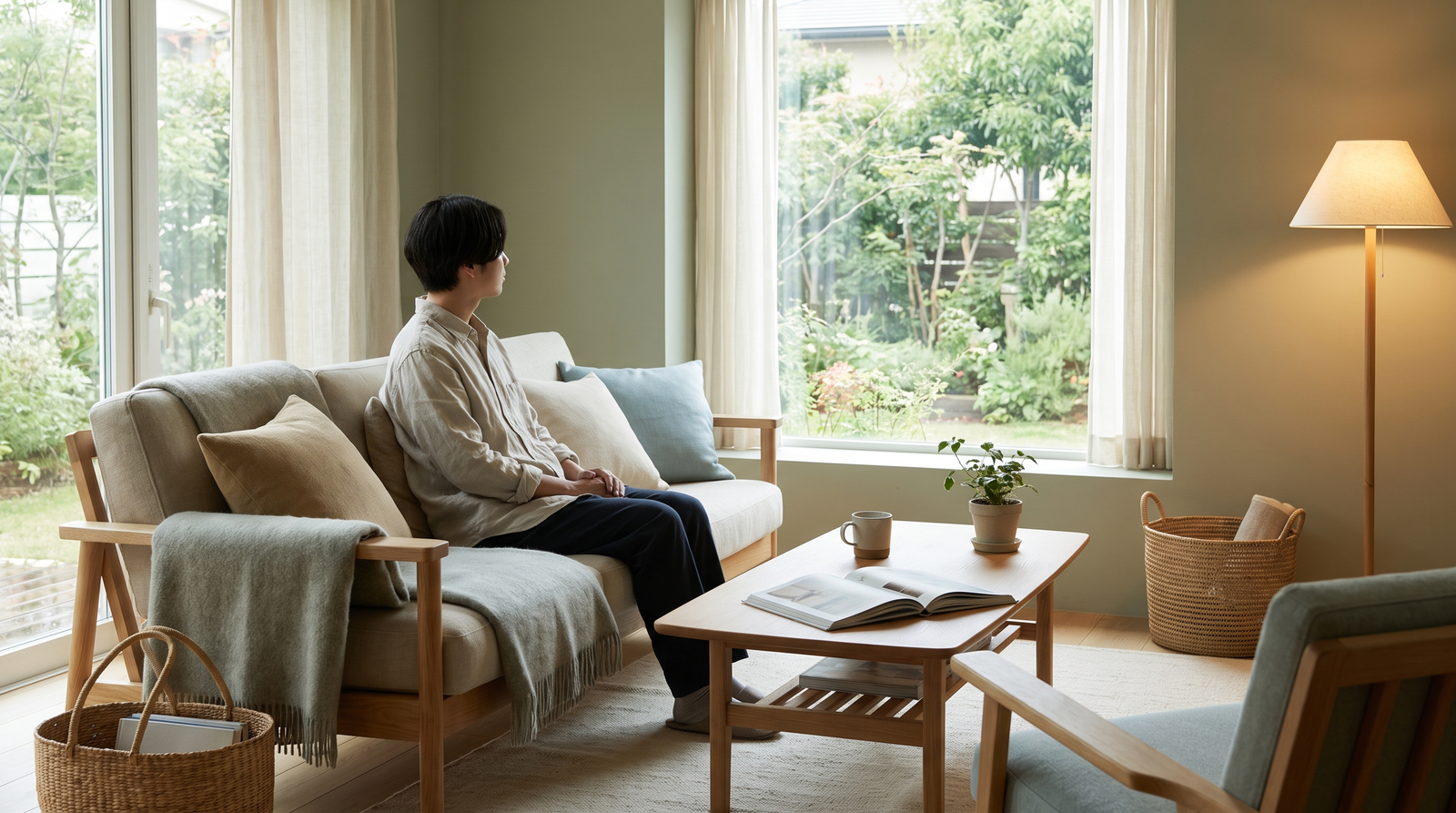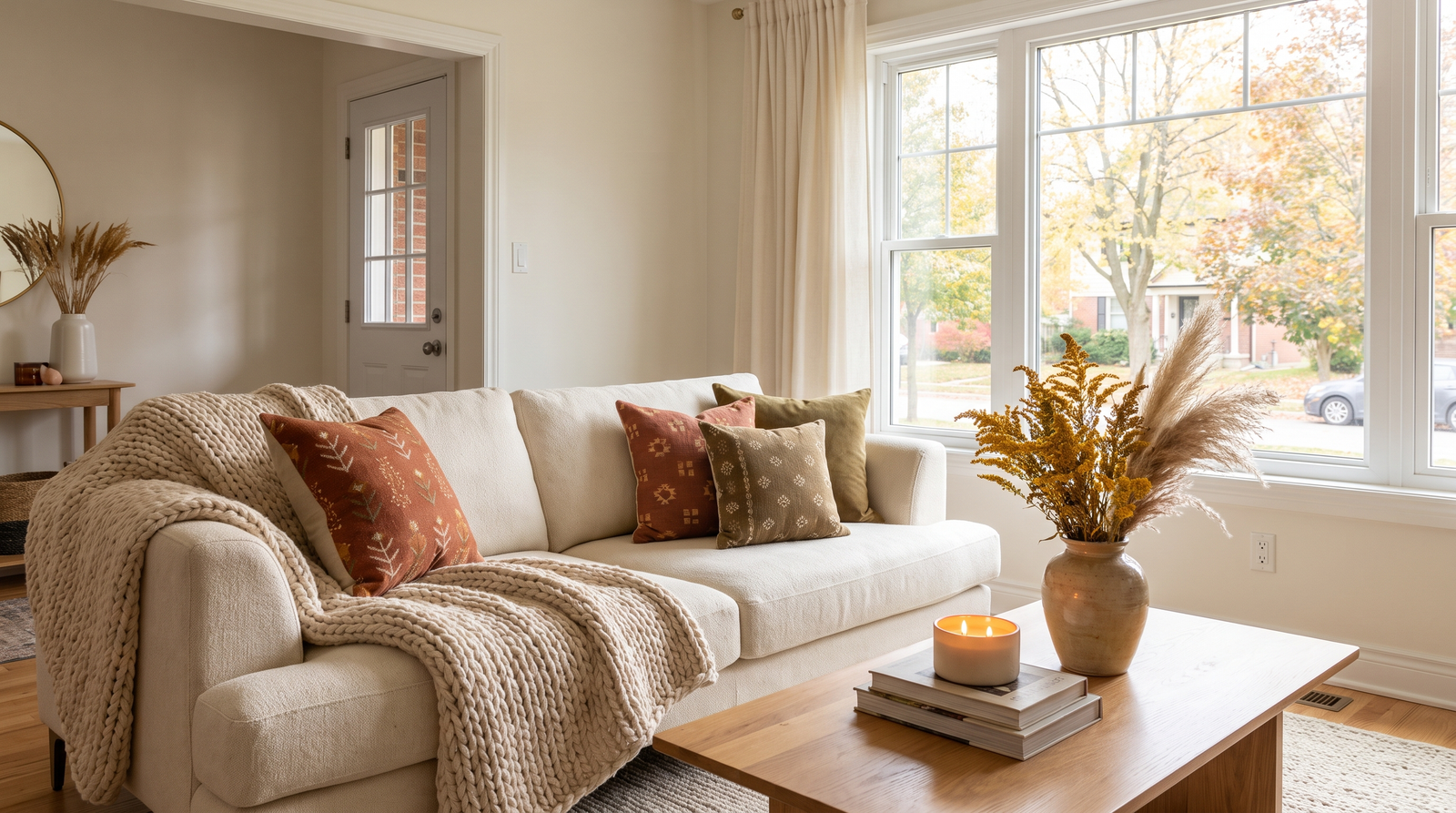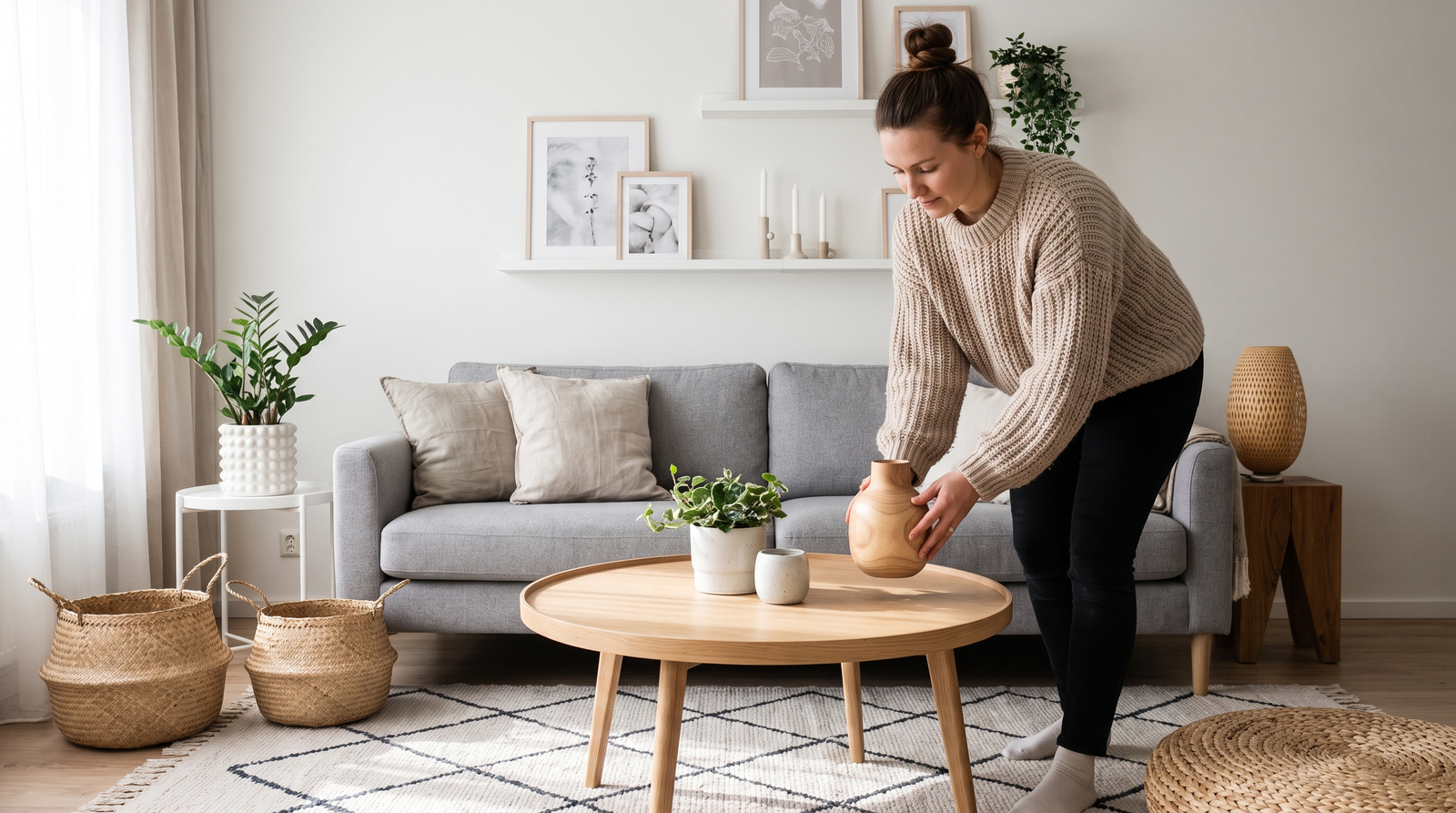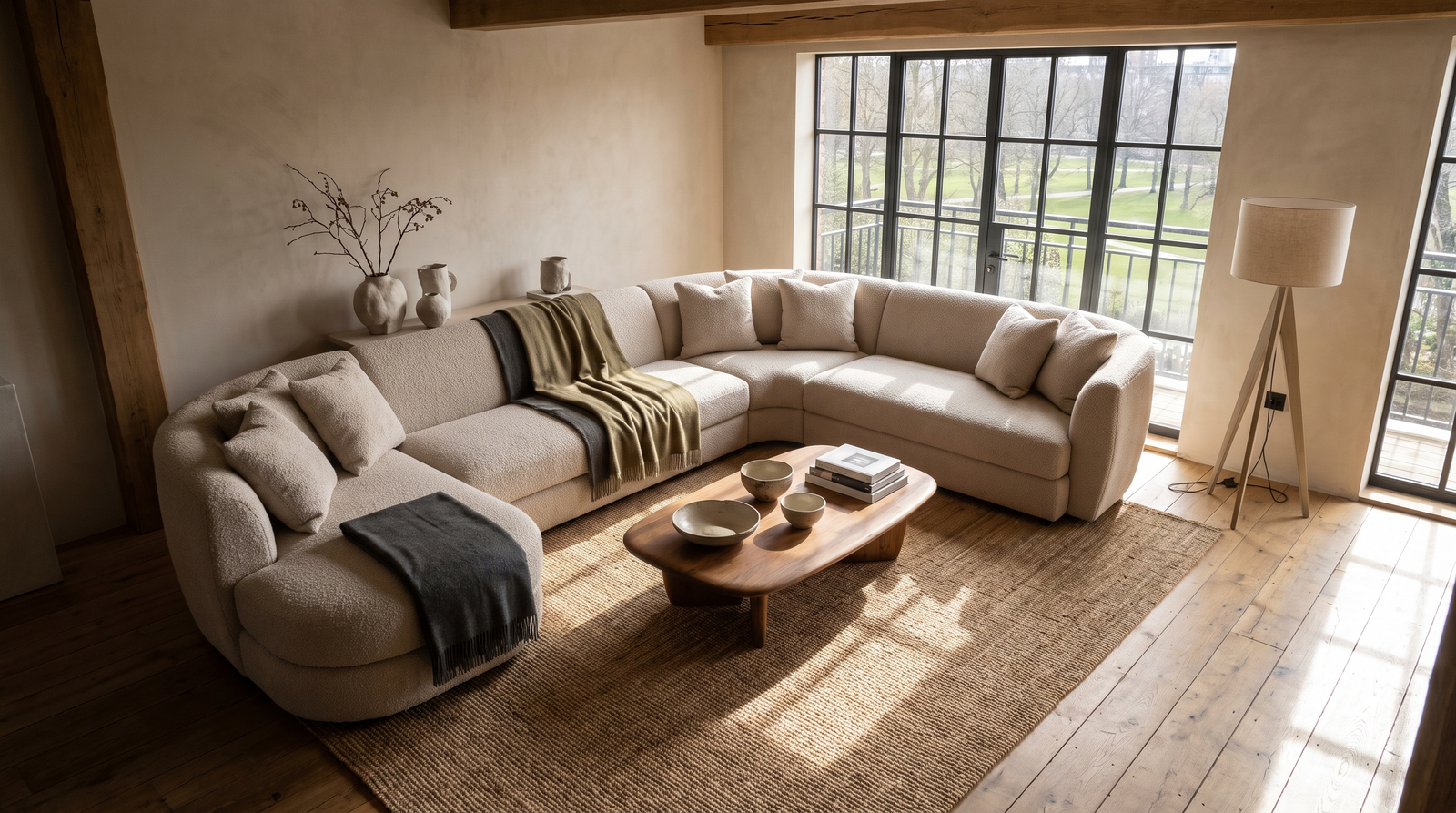
Learn how to choose the perfect nordic corner sofa for your space, including L-shaped, chaise, modular, low-profile, and small-space designs, plus styling tips.
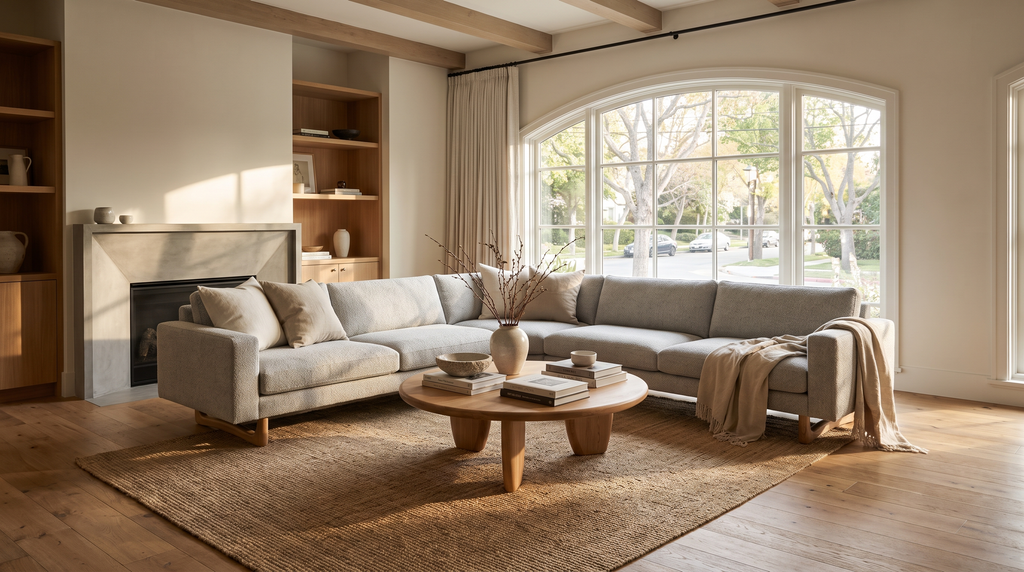
This practical guide breaks down the major nordic corner sofa styles and shows you how to choose one based on your room size, layout, lifestyle, and aesthetic. It also covers measurements, chaise direction, upholstery colors, rug placement, and the handful of accessories that can make a sectional feel polished without overwhelming the space. A nordic corner sofa can completely transform a living room.
All products are personally selected by us. If you buy something, we may earn an affiliate commission.
TABLE OF CONTENTS
Table of Contents
It gives you generous seating, creates a natural gathering point, and can make an otherwise awkward corner feel intentional. But there’s a catch: sectional sofas are big-ticket furniture pieces, and getting the size, orientation, or proportions wrong can turn your dream living room into a daily game of furniture Tetris. Nobody wants that.
The good news is that choosing the right Scandinavian corner sofa doesn’t have to be complicated. Once you understand the different sectional styles, measure your room properly, and think about how you’ll actually use the space, the decision becomes much easier.
Scandinavian design also gives you plenty of room to play. You can choose a pale oatmeal sofa for a soft Nordic look, introduce olive or dusty blue for a little personality, or go with warm brown upholstery for a richer, more grounded room.
Here’s exactly what to consider before you buy.
1. Decide Which Scandinavian Corner Sofa Style Fits Your Room
Not every sectional is built the same way. Before falling in love with a particular sofa online, determine which configuration makes sense for your room.
L-Shaped Sofa
The classic L-shaped Scandinavian sectional has seating extending in two perpendicular directions. It’s particularly useful when you want to define a living area without adding a wall. An L-shaped sofa can work beautifully in an open-plan space because the shape naturally separates the living room from the dining or kitchen area.
Chaise Sectional
A Scandinavian chaise sectional combines a traditional sofa with an extended chaise on one side. It’s a great choice if lounging is a priority. You get the generous seating of a sectional without necessarily committing to a full U-shaped configuration.
Modular Sectional
A modular Scandinavian sofa is the flexible option. Individual sections can often be rearranged depending on your space or needs. This can be particularly useful if you move frequently, like changing your layout, or simply don’t want to be locked into one configuration forever.
Low-Profile Corner Sofa
A low-profile Scandinavian sectional emphasizes clean lines and a relaxed silhouette. It can make a room feel contemporary and visually uncluttered.
Just remember that very low sofas aren’t ideal for everyone. Consider the seat height carefully if you have mobility concerns or prefer a more upright sitting position.
Read more: 10 Affordable Scandinavian Home Décor: The Pieces Worth Buying First
Small-Space Corner Sofa
Don’t assume a sectional is automatically too large for a small living room.
A small Scandinavian corner sofa can actually make efficient use of limited square footage by combining multiple seating functions into one footprint. Look for narrower arms, shallower depths, and compact chaise configurations.
2. Measure Your Living Room Before You Shop
This is the step you absolutely don’t want to skip. A sofa can look reasonably sized in an online product photo and then seem enormous when it arrives in your living room. Before purchasing, measure:
- The total wall length available
- The maximum sofa depth
- Doorways
- Hallways
- Staircases
- Elevator dimensions, if applicable
- Windows and heating vents
- Nearby furniture
- The walking paths around the sofa
Don’t just measure the wall. Measure the entire journey the sofa has to make from the delivery truck to its final location. A beautiful sectional that’s stuck in the hallway isn’t particularly useful.
Leave Breathing Room
Once you know the sofa’s dimensions, use painter’s tape to mark its footprint on your floor. This simple trick can save you from an expensive mistake.
Stand inside the taped area.
Walk around it.
Open nearby doors.
Pull out dining chairs.
Check whether you can comfortably move through the room. If the taped sofa makes the room feel cramped, the real sofa will probably feel even more imposing.
3. Pay Attention to Sofa Depth
Length gets most of the attention, but depth matters just as much. A deep sectional can feel wonderfully luxurious, especially if you love curling up with a book or watching movies but excessive depth can consume valuable floor space.
For smaller rooms, consider a shallow-depth Scandinavian sofa with a streamlined profile. For larger spaces, a deeper sectional can create that relaxed, sink-in-and-stay-awhile feeling. Think about your actual habits.
Do you sit upright and work from the sofa? Or do you spend Saturday afternoons stretched out watching movies? Your answer should influence the sofa you choose.
4. Which Side Should the Chaise Face?
This sounds simple until you’re standing in your living room wondering which side is left and which side is right.
Here’s the easiest way to approach it:
Stand facing the sofa from the front. The chaise or extended section will be either on your left or your right. Choose the side that works best with the room’s architecture and traffic flow. You generally don’t want the chaise blocking the primary walkway into the room. You also want to think about what the chaise will face.
If your sofa is positioned opposite a television, fireplace, or large window, consider whether the chaise placement enhances or interferes with that focal point.
Read more: 10 Ways to Make a Living Room Feel Scandinavian Without Renovating
Look at the Room From Above
If you’re struggling to visualize the configuration, sketch a basic floor plan.
Mark:
Doors → windows → fireplace/TV → major furniture → walking paths → sofa.
Once you see everything together, the correct chaise orientation often becomes obvious and if you’re buying a modular sofa, check whether the configuration is reversible before ordering. That’s a very useful feature if your layout may change later.
5. Choose Light Neutral Upholstery for a Classic Nordic Look
If you want the most traditionally Scandinavian appearance, start with neutrals.
Think:
- Warm white
- Ivory
- Oatmeal
- Beige
- Light gray
- Greige
An oatmeal Scandinavian corner sofa is particularly versatile. It works with light wood, walnut, black accents, linen, wool, rattan, and virtually every neutral rug.
The downside?
Light upholstery can require more maintenance, particularly in homes with children or pets. Look for removable, washable covers or performance upholstery if everyday practicality is important.
6. Don’t Be Afraid of Muted Color
Scandinavian doesn’t have to mean beige. A muted sofa can actually become the focal point of a room while maintaining the calm Nordic aesthetic. Consider an olive green sectional, dusty blue corner sofa, or soft brown Scandinavian sofa. The trick is choosing a subdued, earthy shade rather than an extremely saturated color.
Olive
Olive works beautifully with cream, oak, walnut, terracotta, and natural textiles.
Dusty Blue
Dusty blue creates a cooler, serene atmosphere and pairs particularly well with pale wood and warm white.
Soft Brown
Brown adds warmth and depth and can make a large sectional feel more grounded. If you choose colored upholstery, keep the rest of the room relatively restrained. Let the sofa do the talking.
7. Anchor the Entire Seating Area With One Large Rug
A sectional sitting directly on a bare floor can sometimes look disconnected from the rest of the room. A large neutral area rug solves that problem. Ideally, the rug should be large enough for at least the front legs of the sofa to sit on it. In a larger room, you can go bigger and place the entire sectional on the rug. Avoid choosing a rug that’s only slightly larger than the coffee table.
A tiny rug floating in the middle of a huge sectional tends to make the room look fragmented.For Nordic interiors, look for wool, jute, cotton, or muted vintage-inspired designs.A neutral vintage-style rug can introduce subtle character without competing with the sofa.
8. Keep the Coffee Table Slim
Once you have a large sectional, resist the temptation to balance it with another massive piece of furniture. A slim coffee table is usually a better choice. Try a minimalist oak coffee table, slim walnut coffee table, or simple round wood coffee table.
Round or oval shapes can be particularly useful in compact rooms because they soften all the straight lines of an L-shaped sofa and make circulation easier. Leave enough space between the sofa and coffee table to walk comfortably. You don’t want to have to squeeze sideways every time you stand up.
9. Add a Side Table Without Creating a Furniture Pile
A small Scandinavian side table beside the sofa can be incredibly useful. It gives you somewhere to place a coffee mug, book, lamp, or phone without requiring another large piece of furniture. Choose something visually light.
A narrow wooden table or small round pedestal table can provide function without competing with the sectional. Remember, the sofa is already the largest visual element in the room. Everything else should support it.
10. Use a Floor Lamp to Add Height
Sectionals tend to dominate the lower half of a room. A tall Scandinavian floor lamp can balance the composition by adding vertical interest. Place one beside the sofa or in the corner created by the L-shape.
A simple arched lamp works particularly well over a chaise. Alternatively, choose a sculptural wood or metal floor lamp for a more contemporary Nordic look. Warm lighting will make neutral upholstery look especially inviting in the evening.
11. Keep Throw Pillows Edited
Here’s where it’s easy to overdo it. A giant sectional might technically have enough room for fifteen pillows. You probably don’t need fifteen. Try three to five pillows in different sizes and textures.
For example:
- One linen throw pillow
- One bouclé textured cushion
- One muted olive or dusty-blue pillow
- One larger neutral lumbar cushion
Keep the colors connected to your rug, artwork, or other room accents. The goal is comfortable and layered—not “I lost my sofa underneath the cushions.”
12. Mix Textures Instead of Adding More Colors
If the room feels boring, your first instinct might be to add another color.
Try texture instead.
Combine:
Linen + wool + wood + boucle + leather + ceramic + woven fibers.
This creates visual depth while maintaining a restrained color palette. A cream sectional doesn’t need ten different accent colors to look interesting. A linen pillow, wool throw, oak coffee table, vintage rug, and ceramic lamp can provide plenty of variation.
13. Make Sure the Sofa Doesn’t Swallow the Room
Large sectionals are wonderfully comfortable, but proportion matters. If the sofa occupies nearly the entire room, the space can start feeling cramped. Look for visual lightness through:
- Slim arms
- Raised legs
- Open bases
- Lower visual profiles
- Neutral upholstery
- Clean lines
A sofa with visible legs can sometimes feel considerably lighter than one that extends all the way to the floor. This is particularly helpful in smaller living rooms.
14. Consider the View From Every Angle
Your sofa won’t only be viewed from the front. If it’s floating in an open-plan room, you’ll also see the back. Look for a corner sofa with a finished back rather than a design intended to sit permanently against a wall. This makes the sectional more versatile and allows you to use it as a room divider. It can also help define a conversation area without closing off the room.
15. Don’t Forget the Delivery Measurements
You’ve measured the living room. Great. Now measure the doorway.
And the hallway.
And the staircase.
And any tight corners.
This is especially important with large sectionals that arrive assembled. If the sofa comes in multiple modular pieces, check the dimensions of each individual box or component. A sectional can fit beautifully in your living room and still fail the “getting through the front door” test. Do this before clicking purchase. Future you will be grateful.
16. Style the Sofa Around a Simple Formula
Once your sofa arrives, don’t feel like you need to fill the room immediately. Start with four foundational pieces:
Sectional + large rug + coffee table + lighting.
Then add:
Side table + throw + a few pillows + artwork + plant.
That’s enough for many living rooms. If the room still feels empty, add one substantial object rather than five tiny decorations. A large ceramic vase, oversized artwork, or statement floor plant will usually have more impact than a collection of small accessories.
17. Let the Room Breathe
This is the Scandinavian principle worth remembering throughout the entire process. Your corner sofa doesn’t need to be surrounded by furniture. Leave negative space around it. Keep walkways clear.
Don’t push every piece of furniture against a wall simply because there’s empty space. And don’t fill an empty corner just because you can. A room feels luxurious when you can move through it easily. The goal isn’t maximum furniture. It’s maximum comfort with minimum visual friction.
The Ideal Scandinavian Corner Sofa Formula
If you’re still unsure what to buy, use this checklist:
For a small room:
Choose a compact L-shaped or chaise sectional with a shallow depth, slim arms, and raised legs.
For a medium room:
Consider a low-profile L-shaped sofa in oatmeal, beige, dusty blue, or olive.
For a large or open-plan room:
A modular Scandinavian sectional can provide generous seating and help define the living area.
For maximum flexibility:
Look for a reversible chaise or modular sofa that can adapt to future layouts.
Then anchor it with one large rug, a slim coffee table, one side table, and warm floor lighting. That’s really all you need to create a polished foundation.
Final Thoughts
The best Scandinavian corner sofa isn’t necessarily the largest, trendiest, or most expensive option. It’s the one that fits your room, supports the way you actually live, and leaves enough breathing room for everything around it. Start with measurements.
Then determine your ideal configuration, decide which direction the chaise should face, and choose upholstery that works with your lifestyle.
From there, keep the styling simple.A large rug, slim coffee table, warm floor lamp, a few textured pillows, and one or two personal pieces can make even a simple sectional feel incredibly sophisticated and remember: Scandinavian style isn’t about having an empty room.
It’s about knowing when to stop. Choose comfort. Add texture. Bring in warmth. Keep the palette calm. Then step back and leave a little space. That breathing room may be the detail that makes the entire room feel finished.